SUPPLIER STORY
GROUND TRUTH, ISSUE #1: An Intro to Environmental Terms (for Manufacturers)
by
Shanley Knox Harruthoonyan
"A few of the bigger brands out there probably understand carbon and sustainability. The rest of us are just scratching the surface. We care, but we don't know where to start. We're fumbling around in the dark."
The person who told me this yesterday works in coffee. But swap in almost any industry where someone is buying goods from someone else, and the quote still holds. Shouldn't sustainability claims make things clearer, not more confusing. Shouldn’t they leave you feeling more informed, not less?
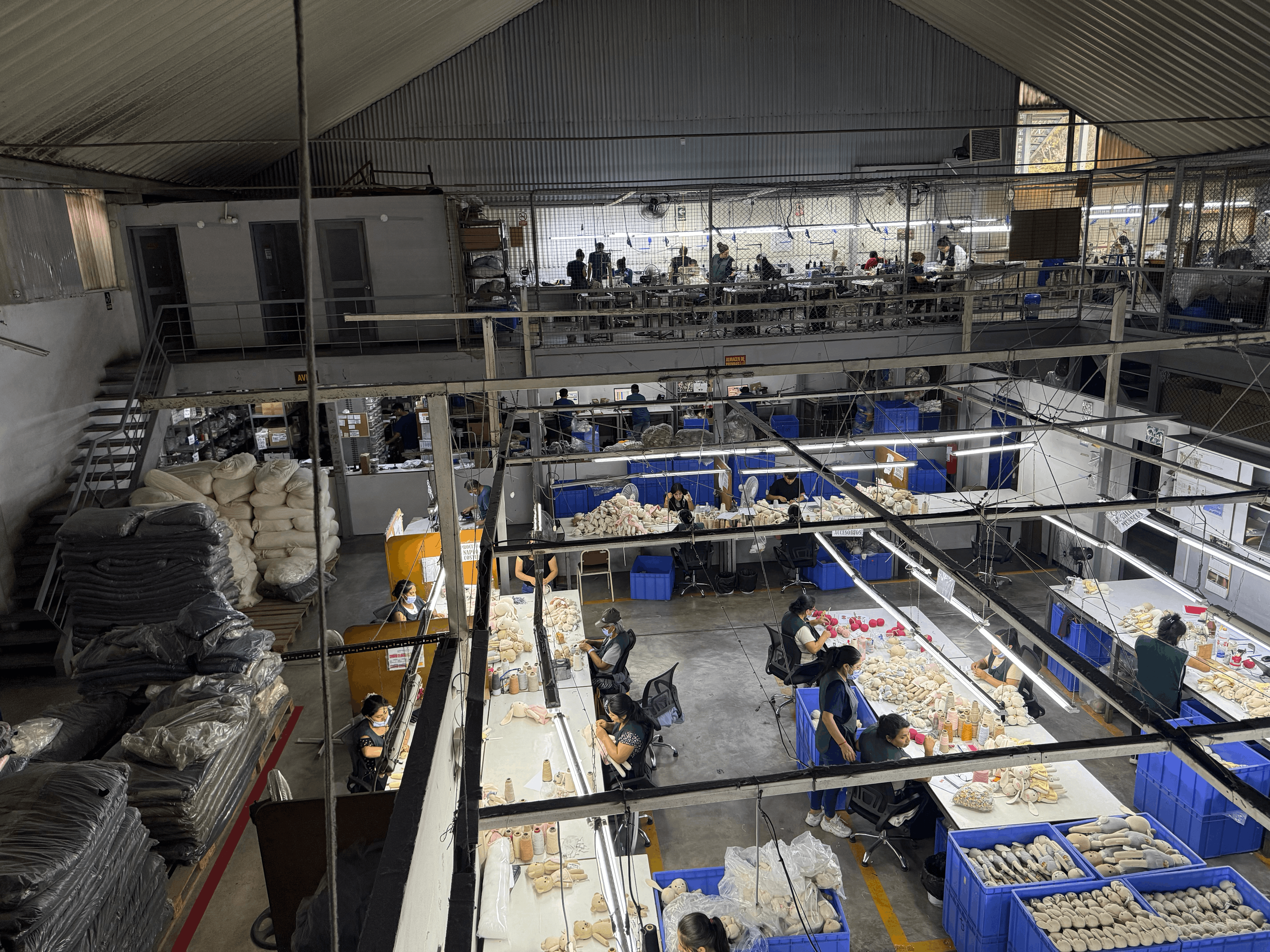
For Mariana, a second-generation manufacturer in Peru, the answer is unequivocally yes. It's why she signed up to build transparency from farm to final garment in her factory before a single brand ever asked for it, and why she got clear on the claims, questions, and nitty-gritty of carbon and sustainability herself first, so she could help her customers understand it too.
When we met, Mariana had just taken the helm at New Expo and was rebuilding it from the ground up, starting with the name. Now the business would be called Become: an ode to her parents' decades-long commitment to investing in the potential of everyone in their supply chain, and a promise from Mariana that she'd continue that work.
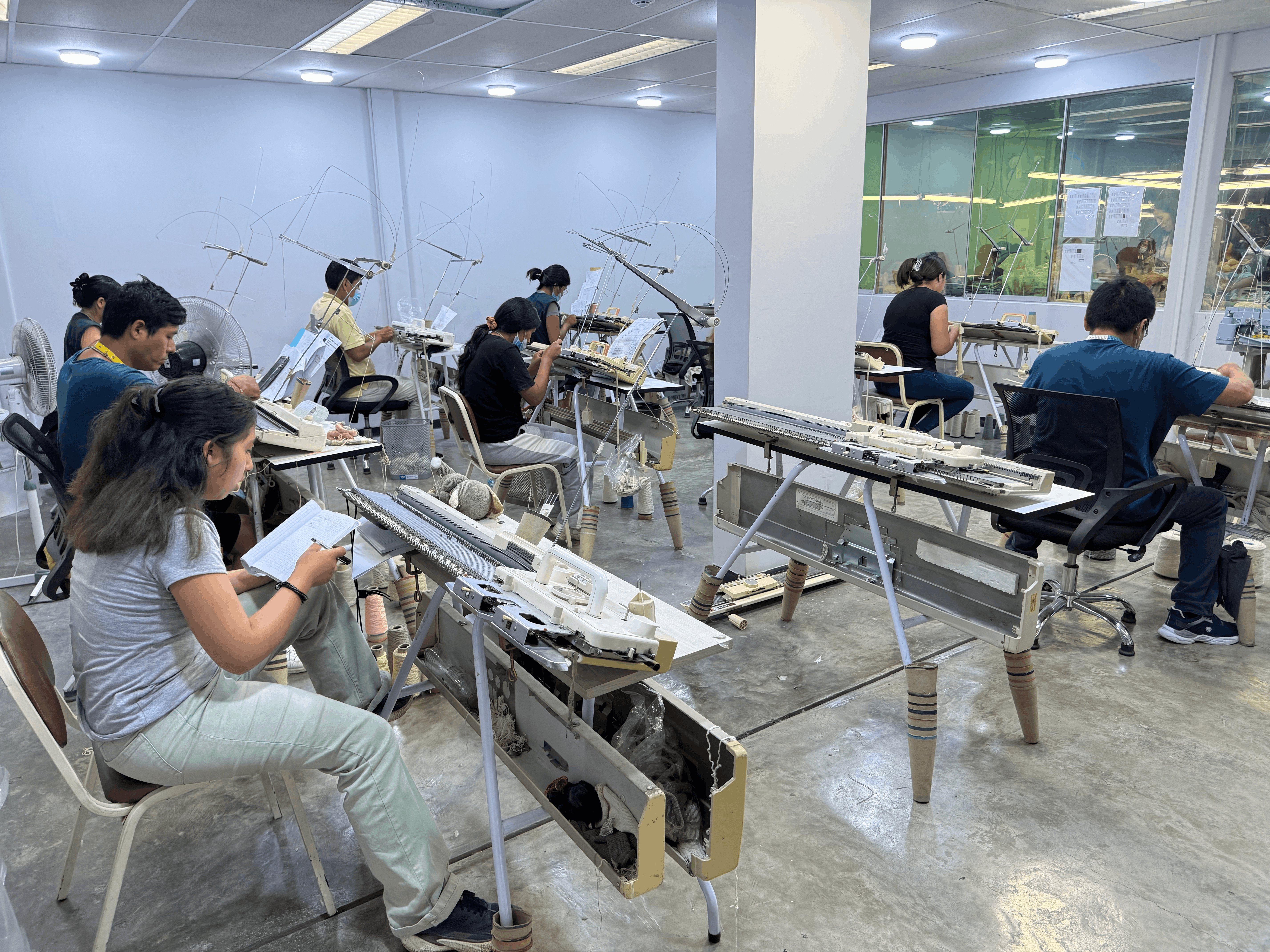
That renaming wasn't just symbolic. She set about codifying what her mother had instinctively built before her, the engagement with artisans for hand-stitching, the investment in their children's schooling. With Mariana at the helm, brands would have the chance to partner in that same investment.
The codifying went further than the factory floor. There were the farmers too. Mariana and her brother Javier, now Become's CEO, had known them for over 20 years, since the Otoya siblings were children riding out from Lima to the cotton fields in Chincha with their father each April or May. When we visited, we stopped at the same restaurant they used to visit with him – many of the farms are still run by the same families.
Javier senior had helped many of these farmers become among the first to go organic. Now, his children would help them share the results, through carbon testing and reporting on their practices.
This is where we came in. We combed through supplier choices and shook hands with long-term partners. For Mariana, the human came first on both ends, in how the manufacturers were treated and how the brands were spoken to. A claim was only as good as whether the person receiving it could actually understand it.
"What's the normal language for a life cycle assessment, how do I explain it to a small brand that's never heard the term?" she would say.
Or, "Tell me about carbon sequestration like I'm your son, your seven-year-old."
She kept pushing us to get simpler, more practical, to make claims not just accurate but usable, so others could follow along.
Along the way, I realized she was living the values she'd set for us, and that we'd become part of them, just by working with her. She invested her time and energy in us the way she had with her other long-term partners, helping us Become, part of the same thread of work she was now extending through us.
Here's what came out of it: the science-turned-everyday-language we’ve started using for other small manufacturers starting this journey.
The term: Life Cycle Assessment (LCA for short)
The translation: An approach to measuring a product's environmental impact at every stage, from raw material to end use.
What’s actually involved: There's an official standard for how this is done (ISO 14040/14044). It starts by deciding what to measure, either through to final production (this is termed "cradle to gate"), or the product's whole life including use and disposal (this is termed "cradle to grave"). Then, we collect real numbers at every stage: how much energy, water, and chemicals went in, and how much waste and emissions came out. These numbers get turned into actual impact scores, like how much it contributed to global warming or water pollution. At ABLE, we approach this process by gathering a year of primary data from each manufacturer, supported by evidence. Where unavailable, we use ecoinvent proxy data, which is essentially an average, industry impact metric for a specific process in a specific place.
The term: Traceability
The translation: The ability to track a product's materials back to where they came from, step by step.
What's actually involved: A product passes through several stages before it's finished. For example, for a garment this might be a farm, spinner, fabric mill, dye house and cut and sew facility. Traceability means each of those stages is documented and linked together, often with batch numbers, codes, or digital records, so you can follow one product all the way back to the exact source it came from. Traceability can be internal infrastructure. It doesn't require sharing anything with anyone.
The term: Transparency
The translation: Making information about how a product was made available and checkable, not just claimed.
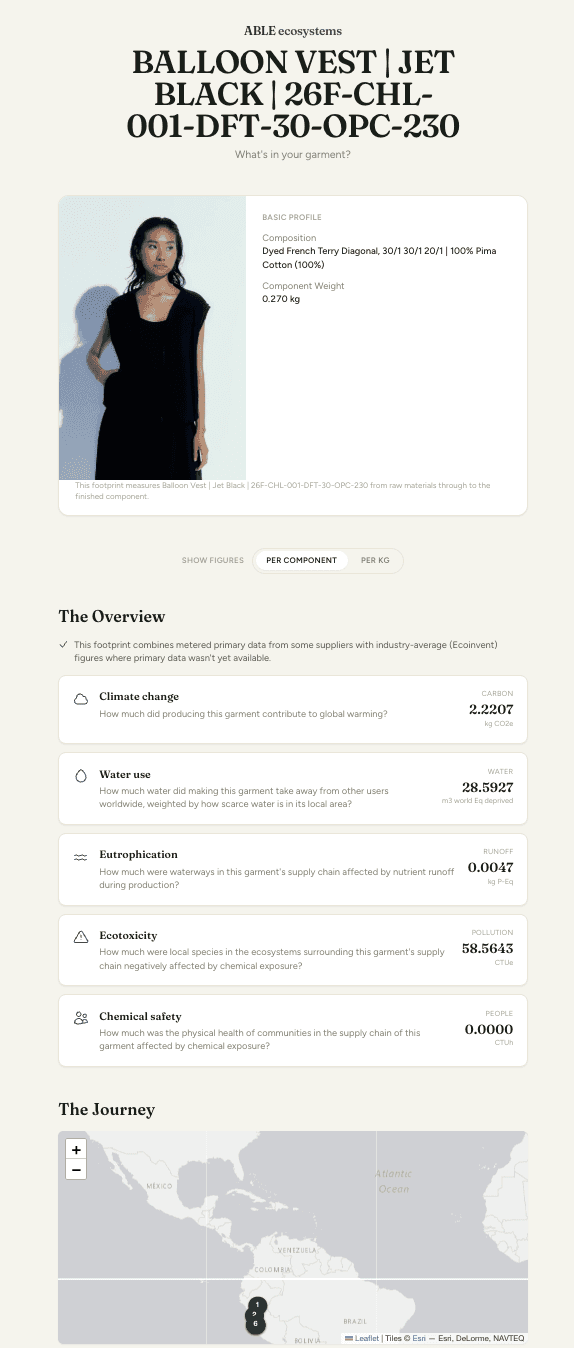
What’s actually involved: Naming the actual suppliers and locations involved, and backing it up with paperwork, audits, certifications, or records, that someone outside the company could check if they wanted to. At ABLE, we achieve this through our product footprints, a digital page that a manufacturer or brand can turn on to show each of their processes, and how they contributed to a total footprint.
The term: Carbon Accounting
The translation: The greenhouse gases released while making and moving a product, added up into one number so they're easy to compare.
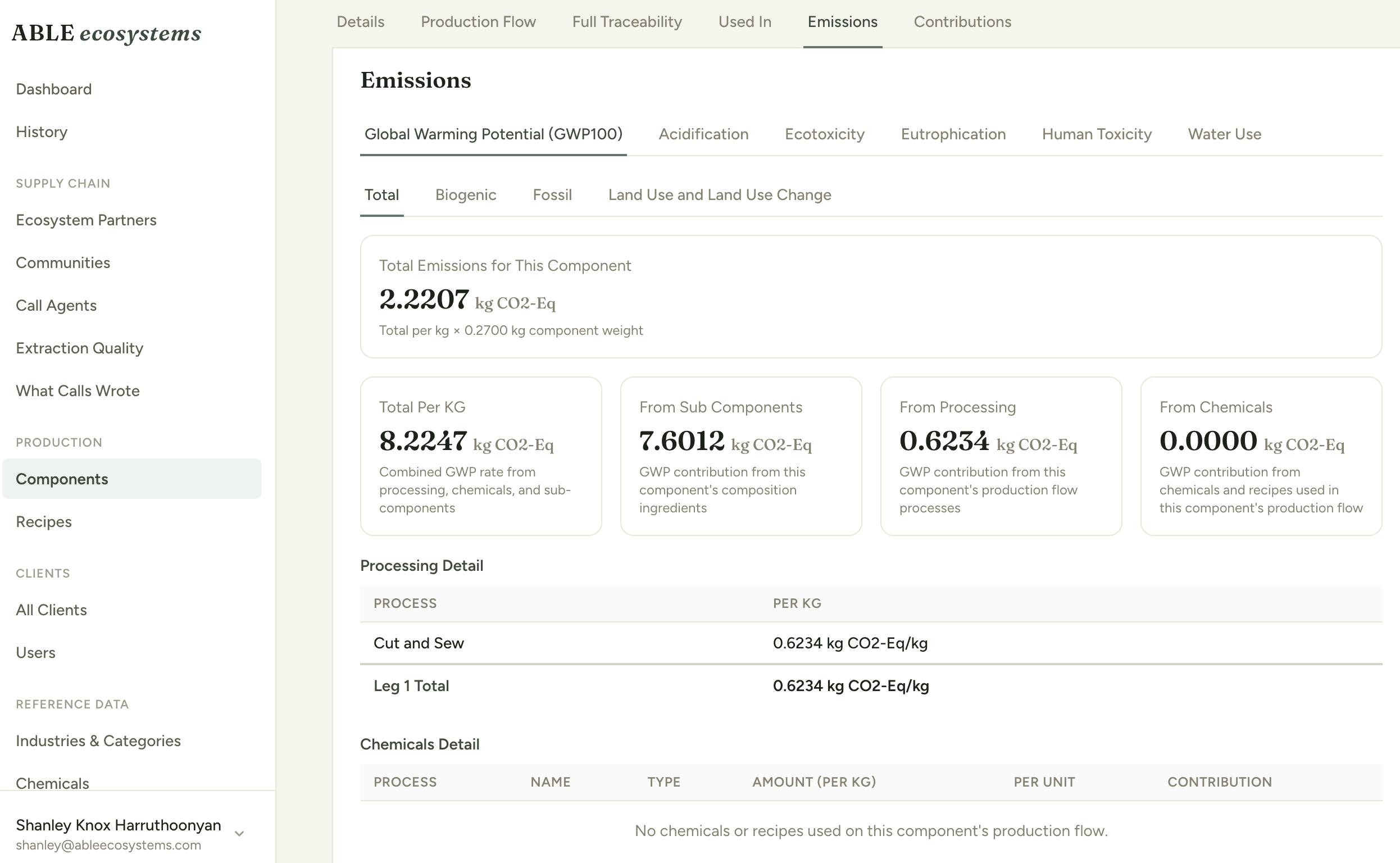
What's actually involved: Different gases warm the planet by different amounts, so everything gets converted into a single measurement called CO2 equivalent. Emissions are usually split into three groups: what a company burns or releases directly, the emissions from the electricity it buys, and the emissions from everything else in its supply chain, which is usually the biggest chunk for clothing. At ABLE, we gather all the activities that contribute to carbon, including transport, water use, energy use, any gasses, chemicals and farm activities. This total number is then normalized (or, divided) by the output of the facility, its loss rates, and the final weight of whatever it is we are measuring.
The term: Carbon sequestration
The translation: Pulling carbon out of the air and storing it in soil or plants instead of leaving it in the atmosphere.
What's technically involved: Farmers do this through practices like planting cover crops, disturbing the soil less, and rotating where animals graze. Over time, this builds up carbon stored in the soil, which can be checked by testing soil samples. It's different from just polluting less, sequestration actually pulls carbon out and locks it away. There are global standards that govern carbon sequestration reporting, which require soil testing over time, as well as reporting on activities at the farm level, supported by evidence. We'll be sharing more on carbon reporting, specifically, in a future Ground Truth issue.
Suppliers around the world use ABLE to share their primary data.